Case Study: Building Foundation Communications
The Omaha Northwest High School Foundation (NWHSF) was formed in 2022 to support current and future Northwest High School students. Its work includes scholarships, experiential learning opportunities, staff appreciation and development, and campus improvements.
As a Northwest alum, I was honored to be invited to volunteer as a board leader for NWHSF as it was starting. It was an easy yes. Northwest had given me a lot during my time there, and this was a chance to give something back via pro bono PR and communications support.
When I joined, NWHSF was still forming its identity. There was no established messaging. There were no donor channels. And few people outside the high school’s doors were aware that this exciting resource for students and staff existed.
Research Came First
But before we could raise awareness and ask people to support NWHSF, we needed to make a few things clear: Who are we? What do we do? And who is most likely to care?
Once we established NWHSF’s general purpose and direction, I researched how other school foundations communicated about their work and used that research to begin shaping NWHSF’s messaging.
The goal was to clearly explain what NWHSF was, why it had been created and how it could help Northwest students and staff.
From there, the board conducted a needs assessment with teachers, students, parents and alums to identify immediate needs and better understand who might be willing to help NWHSF as donors.
Northwest alums quickly emerged as a primary audience. They already had a connection to the school, but many were not yet familiar with the new Foundation. That meant our communications needed to do two things at once: build awareness that NWHSF existed and show alums how supporting it could directly benefit current students and staff.
Then Planning
With the purpose, priorities and audience becoming clearer, I finalized the messaging NWHSF could use consistently across its communications.
I created a messaging guide with key messages, talking points and FAQs, then began putting the infrastructure in place to implement the messaging. That included distributing key messages to board members, setting up NWHSF’s Facebook presence, helping incorporate the messaging into the website and establishing an email platform connected to the organization’s domain.
As we began setting more specific fundraising goals, I also helped create the donor channels, including Facebook fundraising and PayPal.
But Northwest Needed Help Now
The needs assessment identified an immediate concern: students experiencing food insecurity and homelessness needed food, hygiene products and clothing to help them succeed in high school.
I worked with a school counselor to plan a recurring Amazon Wishlist program that would give supporters a direct way to buy items to stock the school pantry. I researched how the system could work for NWHSF and developed a repeatable process for future needs.
We launched the Wishlist and posted about it regularly on the new Facebook page.
Within days, stacks of Amazon boxes began arriving in the school lobby.
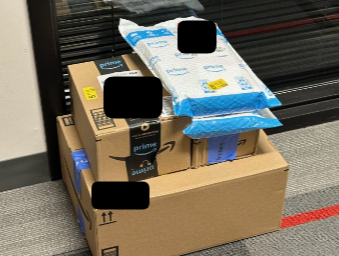
Across our first two seasonal Facebook campaigns, in spring and fall, donated items totaled nearly $1,000 in value.
Next Up: The First Year-End Campaign
With the messaging and immediate, need-based fundraising in place, the next step was to expand awareness and the donor base.
We began planning NWHSF’s first year-end digital fundraiser in the fall of 2024.
We knew going in that this was unlikely to be a big-dollar campaign. NWHSF and its Facebook page were still new; the donor base was developing; and year-end fundraising is an especially crowded space.
So, I helped frame the campaign around a more realistic opportunity: raise some initial funds while also introducing more people to NWHSF.
That led to the Husky Howl-iday Giving Tree. The virtual tree gave us a recognizable visual that could stand out in a busy holiday feed and show progress as donations came in. Each gift added an ornament. The campaign was designed around our primary donor audience: Northwest alums.

It tapped into school identity and Husky pride while showing how their donations could benefit students and staff today. We identified several existing alum groups with strong membership that could share content. We also encouraged board members to share with their own social networks.
Donations supported NWHSF’s 2025 funding priorities, including the Yano Jones Leadership Scholarship, teacher appreciation, post-prom, an outdoor classroom and rain garden improvements, and expanded learning opportunities for students.
The content themes drew on stories and experiences alums could connect with in those areas, including board members’ memories of prom, the story behind the creation of the new Yano Jones Leadership Scholarship and the impact teachers have had on students.
We raised approximately $1,700, reached more than 13,000 people on Facebook and gained 60+ new followers.
Just as important, the campaign met its goals of raising initial funds and introducing NWHSF to more people, and it gave NWHSF its first baseline for future fundraising.
I compiled the results and recommendations for the board, including opportunities to cultivate larger donors, secure matching gifts and grow a stronger opt-in email list.
The Bigger Picture
I eventually stepped away from the board, and I'm proud of what we built in those early days. Helping launch something for the high school that shaped me was one of the most rewarding projects I've taken on.
It also shows how I approach communications. I start with the organization's goals and research the audience and channels that can reach them. I build the messaging and infrastructure, making it easy for people to act. Then I measure results against the goals and use what I learned to make the next effort stronger.
For NWHSF, that approach took a brand-new foundation from a broad purpose to a communications system, working donor channels and a first year-end campaign.
Strategy first. Then roll up the sleeves and make it happen.